

Rendered at 01:32:52 12/13/25
Envío gratis
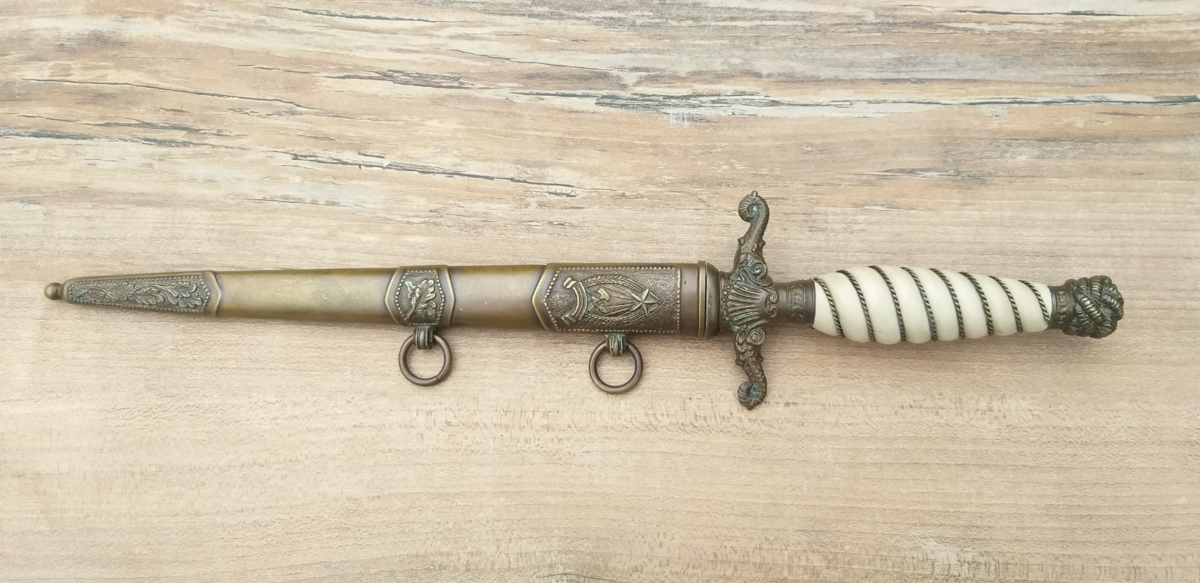
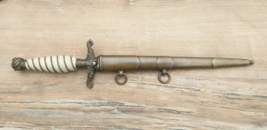
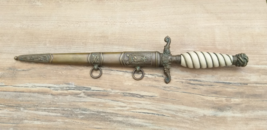
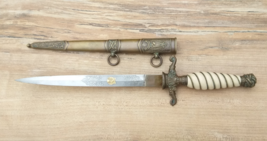
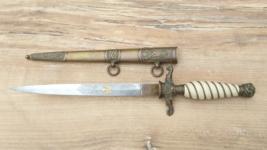
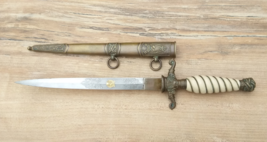
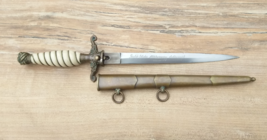
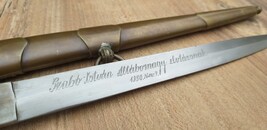
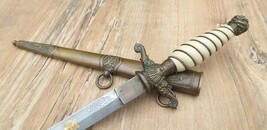
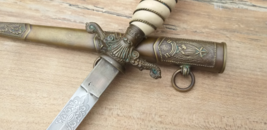
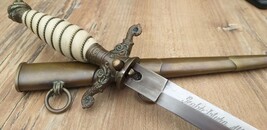
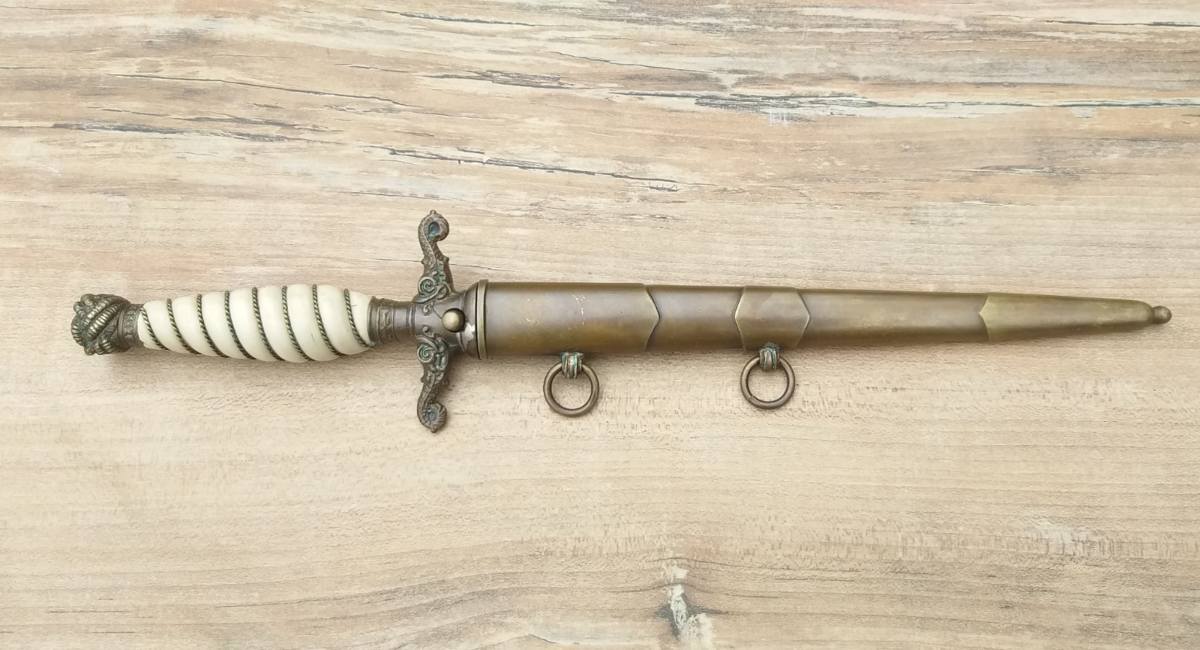
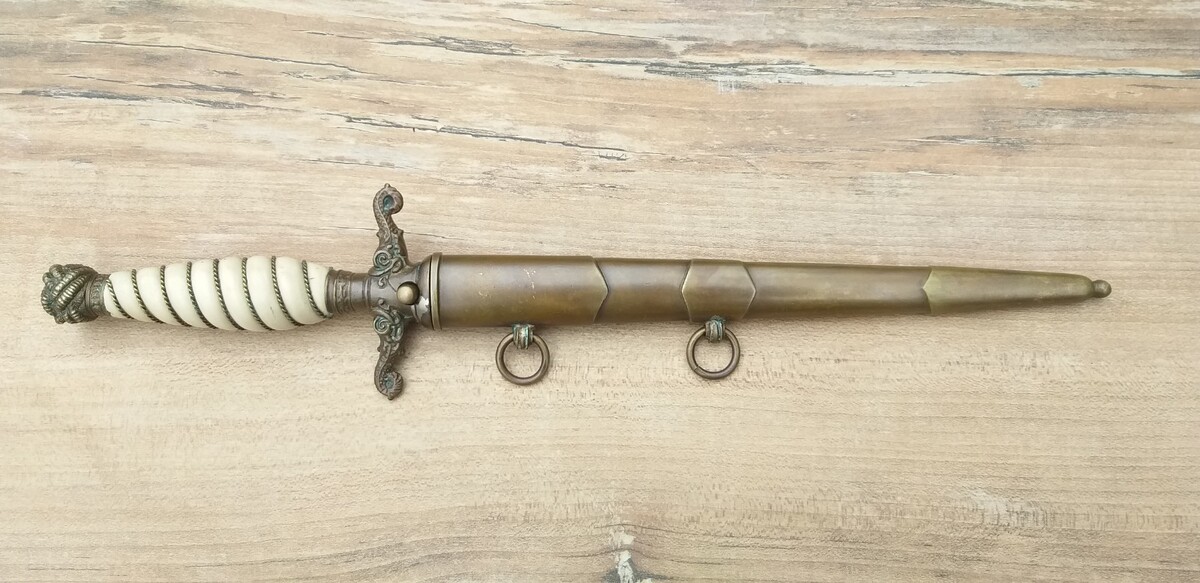
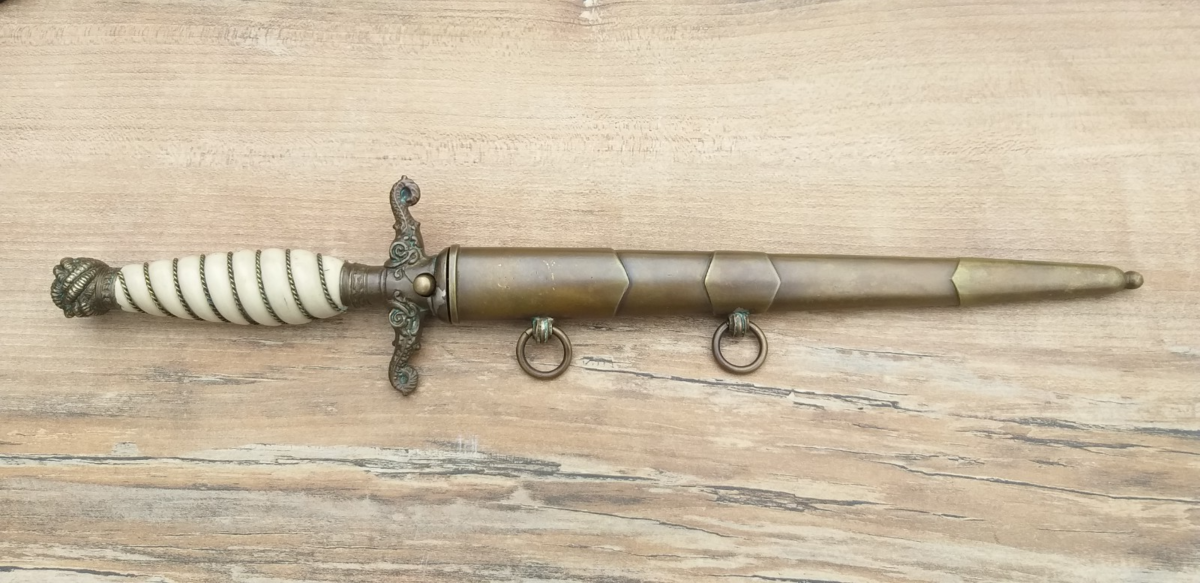
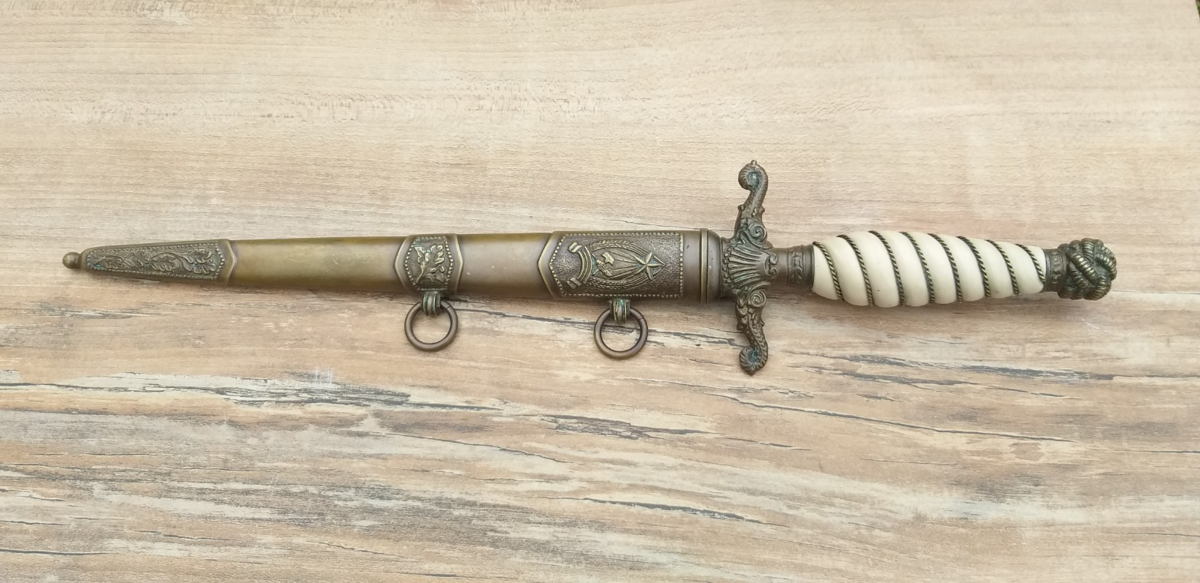
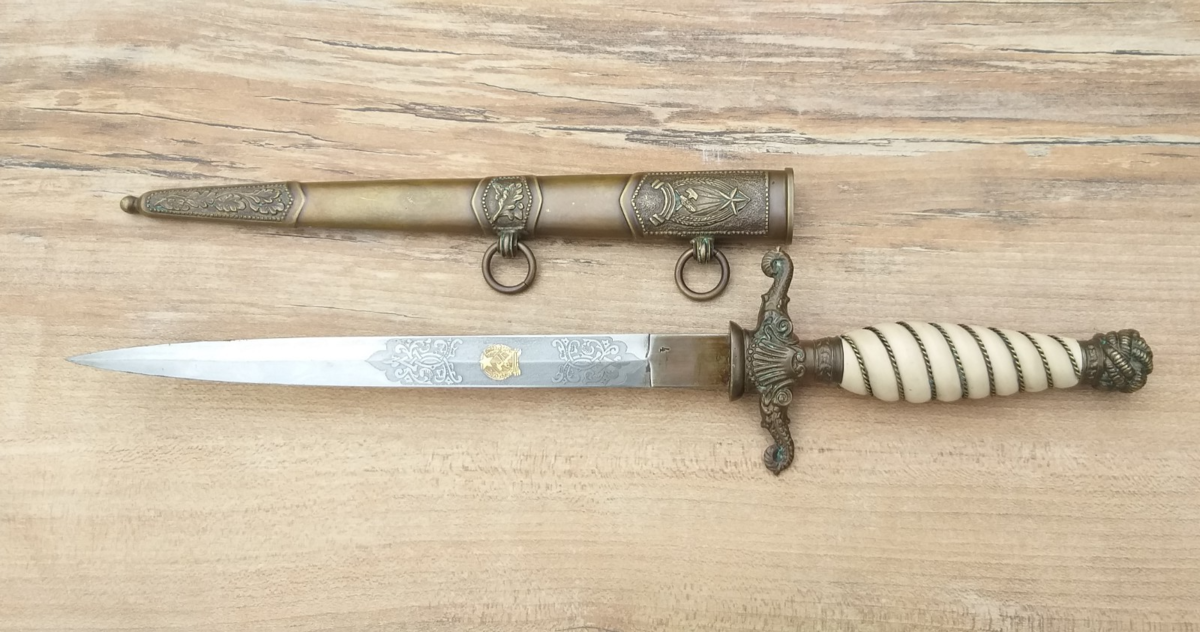
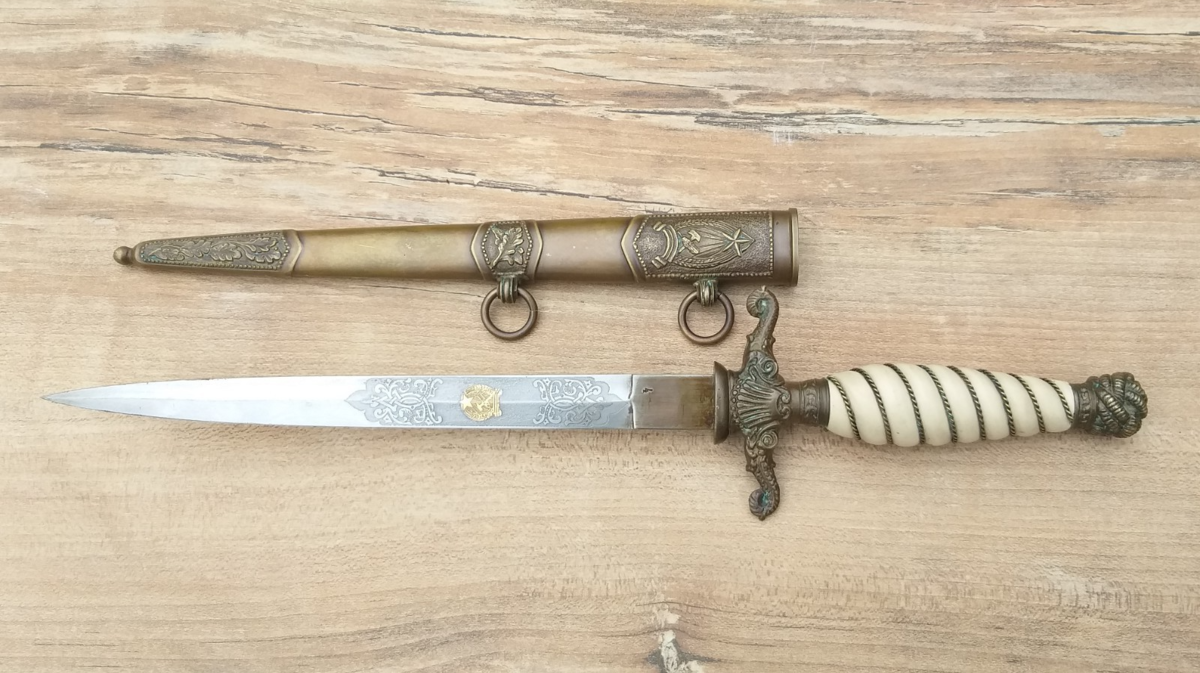
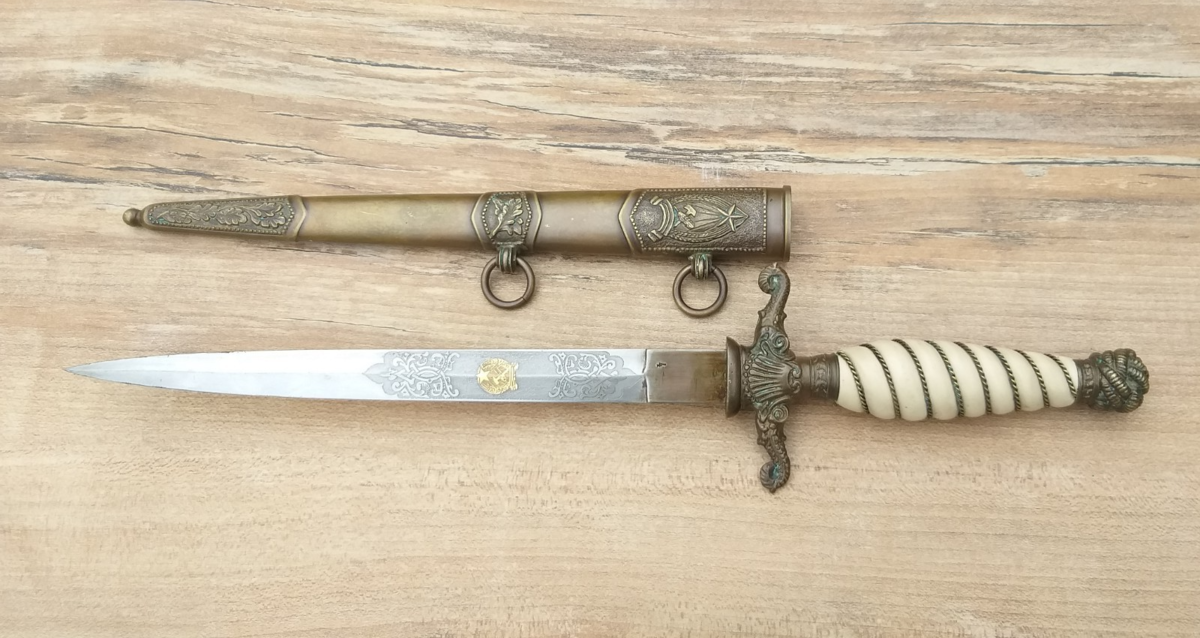
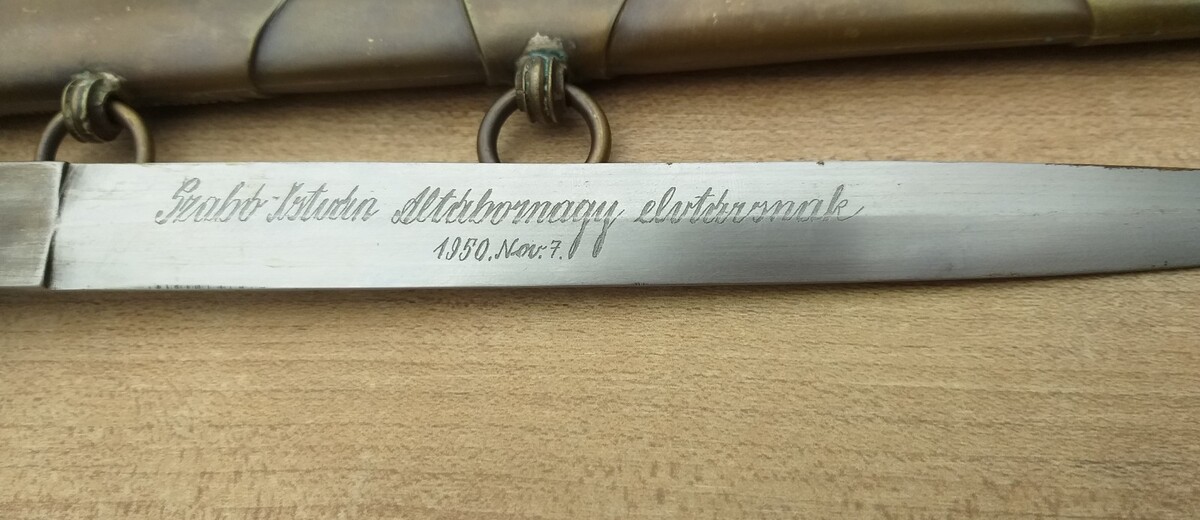
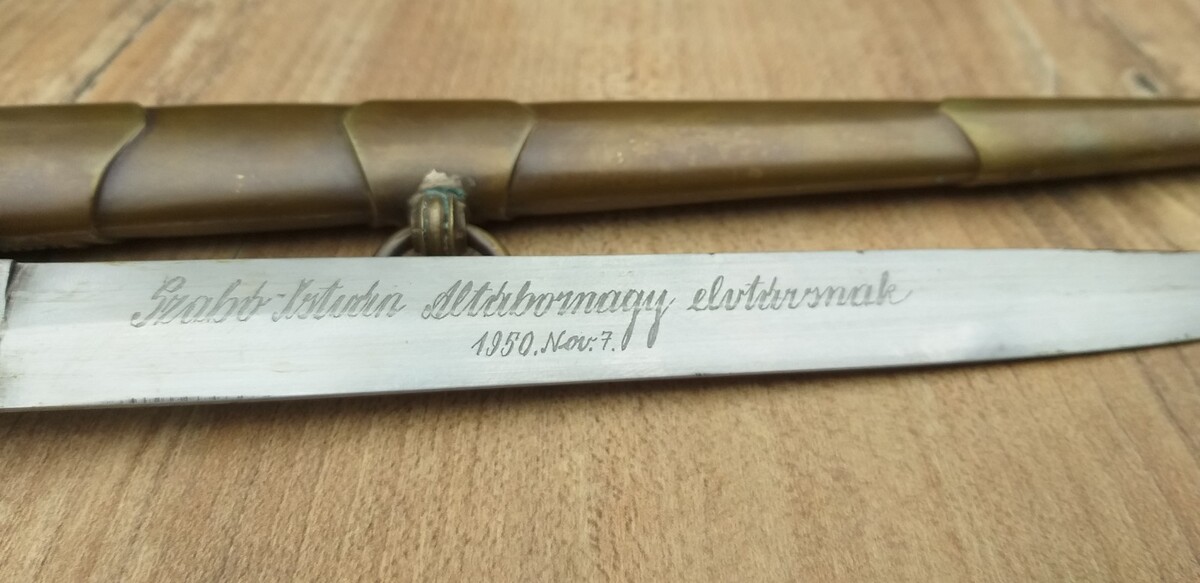
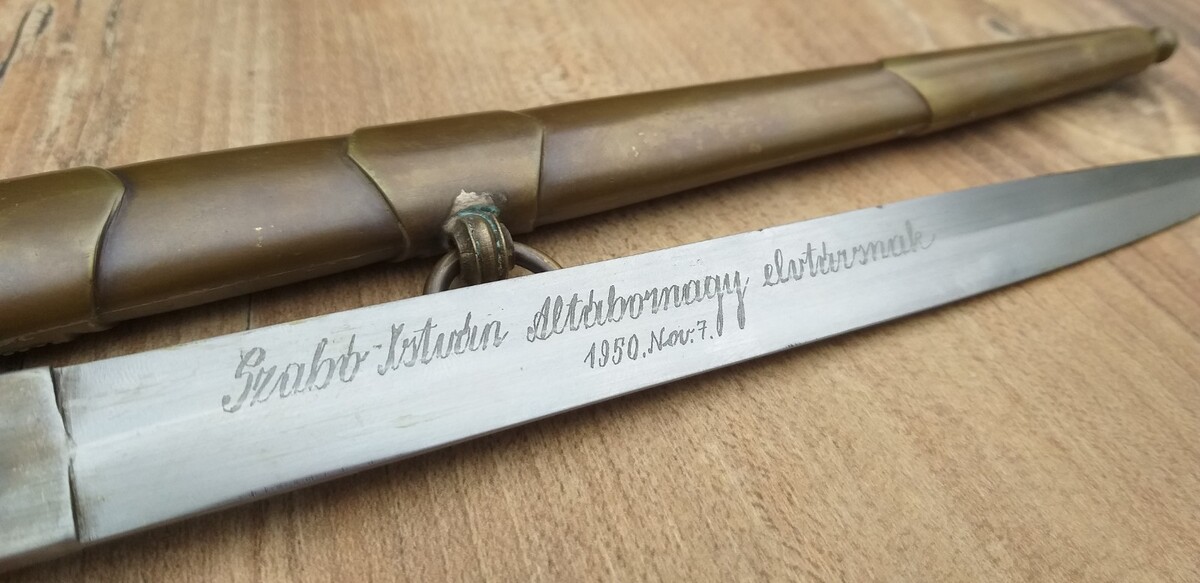
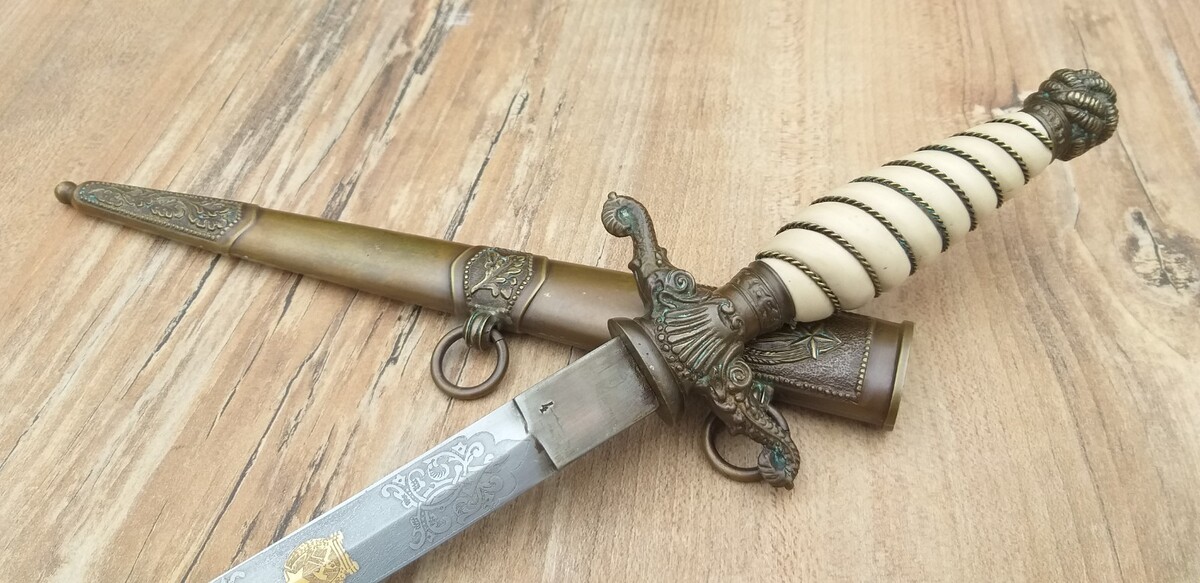
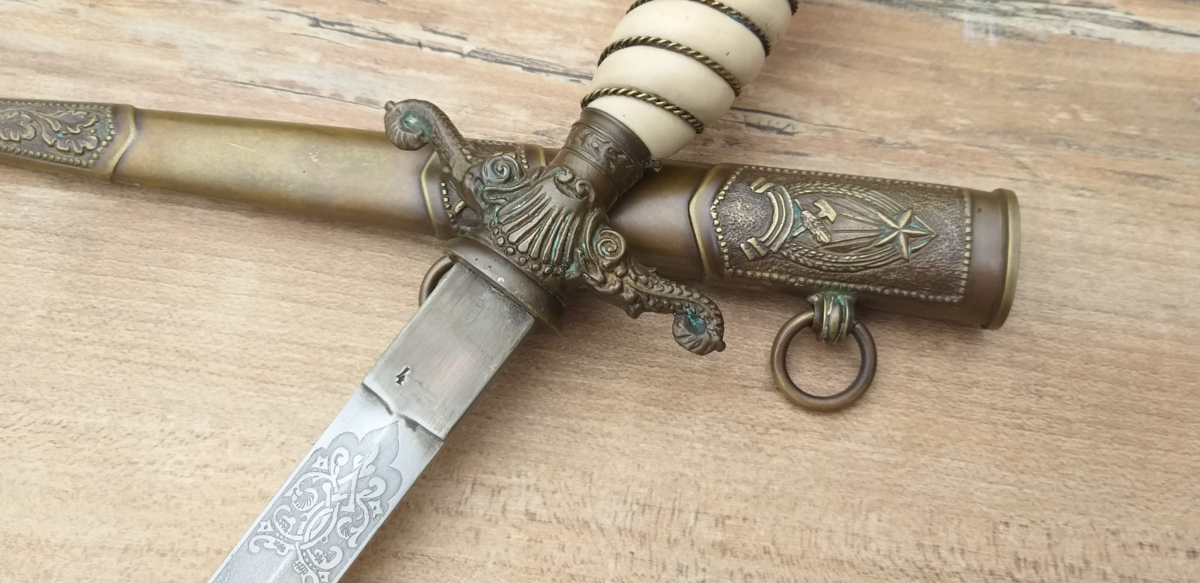
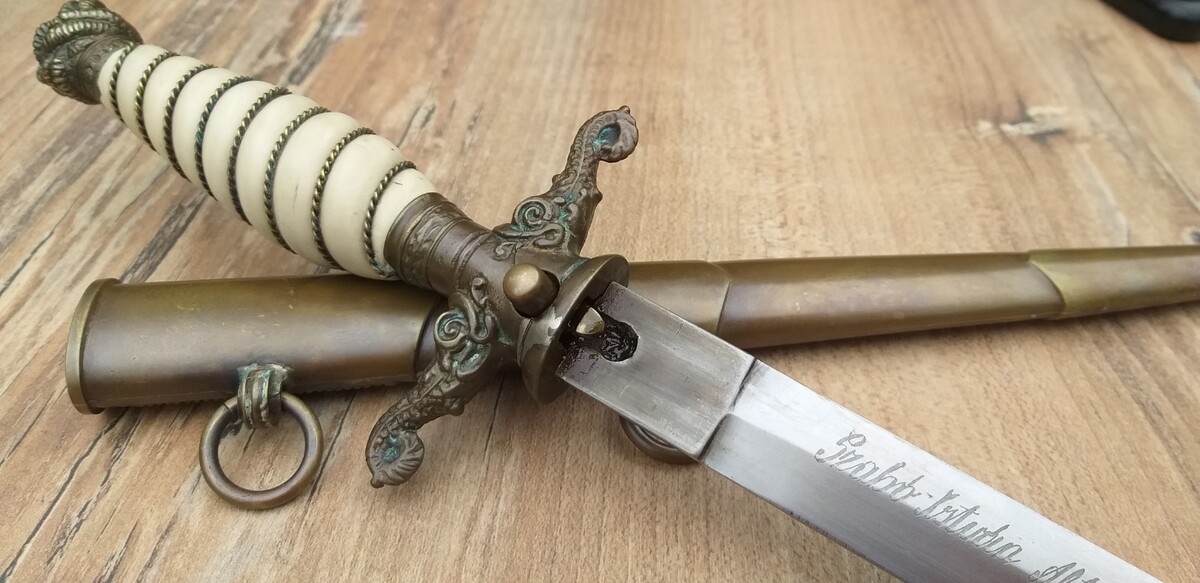
Stalinist Soviet era Communist Hungarian Military Award Dagger 1950’s w. History
$10,281.37 MXN
(Buy a Up to 30% discount card for $30.00 first, and you will save $60.00 on this item and get up to 30% off future purchases for the next 3 months.
Unlock the discount with just a few clicks - start here)
$10,822.50
More info
Los buques de
Hungary

Share & earn! Sign in, share this or any listing, and you’ll get commission when it sells.
Learn more


Las opciones de envío
Estimado para llegar por Wed, Jan 7th.
Detalles
GRATIS a través de International Shipping (2 to 3 weeks) a Worldwide
Los buques de
Hungary
Política de oferta
OBO - El vendedor acepta ofertas en este artículo.
Detalles
La política de devoluciones
Refunds available: See booth/item description for details
Protección de compra
Opciones de pago
PayPal accepted
PayPal Credit accepted
Venmo accepted
PayPal, MasterCard, Visa, Discover, and American Express accepted
Maestro accepted
Amazon Pay accepted
Nuvei accepted
Las opciones de envío
Estimado para llegar por Wed, Jan 7th.
Detalles
GRATIS a través de International Shipping (2 to 3 weeks) a Worldwide
Los buques de
Hungary
Política de oferta
OBO - El vendedor acepta ofertas en este artículo.
Detalles
La política de devoluciones
Refunds available: See booth/item description for details
Protección de compra
Opciones de pago
PayPal accepted
PayPal Credit accepted
Venmo accepted
PayPal, MasterCard, Visa, Discover, and American Express accepted
Maestro accepted
Amazon Pay accepted
Nuvei accepted
Rasgos del artículo
| Categoría: | |
|---|---|
| cantidad disponible: |
Sólo uno en stock, para muy pronto |
| Condition: |
Used |
| Conflict: |
Korea (1950-53) |
| Original/Reproduction: |
Original |
| Theme: |
Militaria |
| Country of Origin: |
Hungary |
Detalles del anuncio
| Envío de descuento: |
Vendedor paga el envío para este artículo. |
|---|---|
| Publicado en venta: |
December 11 |
| Artículo número: |
1782820010 |
Descripción del Artículo
Rare and interesting Soviet communist era Hungarian military
/ political officers' presentation dagger.
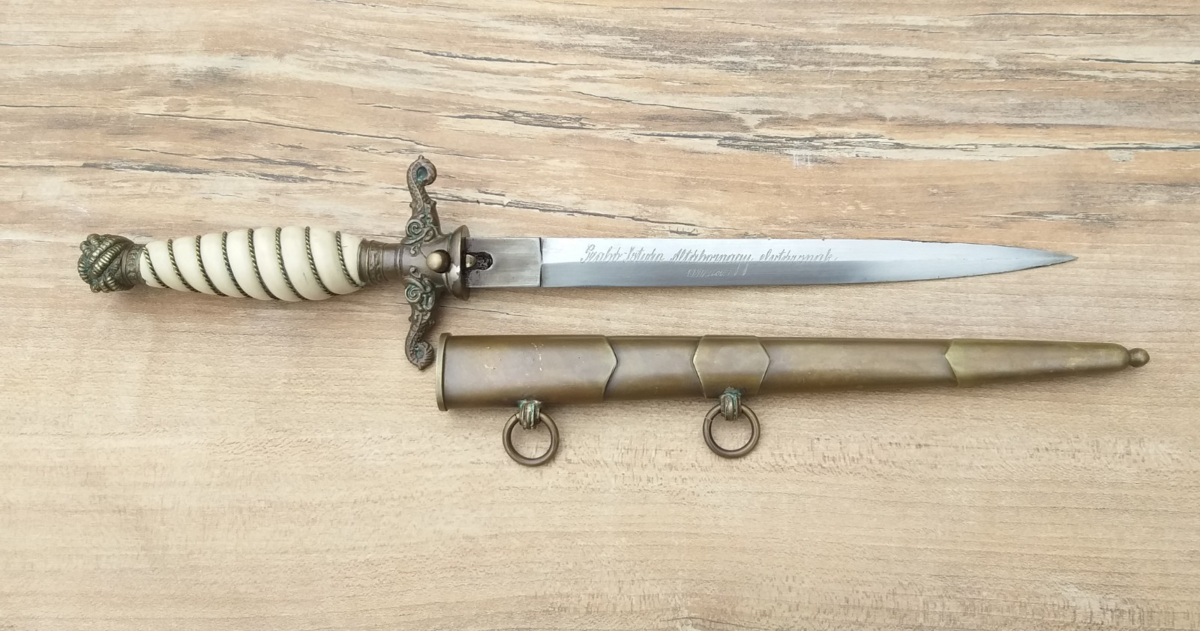
Awarded to Hungarian Lieutenant General Istvan Szabo in
1950.
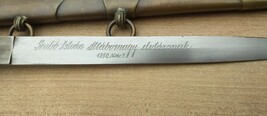
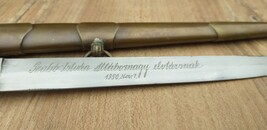
Blade reads: Szabo Istvan Altabornagy elvtarsnak 1950.
november 7.
Szabo was appointed lieutenant general on November 7, 1950.
The date of November 7 is primarily known as the anniversary
of the Great October Socialist Revolution of 1917 (October 25 according to the
Julian calendar), which had been a public holiday in Hungary.
Under Lenin's leadership in 1917, the Bolshevik Party seized
power, leading to the formation of the Soviet Union. In Hungary this day was a celebration
of the Soviet-Hungarian friendship and the socialist system between 1950-1988.
Szabo Istvan was born in 1906 into a working-class family
with eight children.
His father, Joachim Szabo, earned his living as a laborer,
while also farming four acres of land. In addition to his work, he was also an
active communist and became the leader of the local directorate during the
Hungarian Soviet Republic of 1919.
After the Treaty of Trianon, their home became part
of the newly formed Czechoslovakia, and they were granted Czechoslovak
citizenship.
Istvan Szabo completed six years of elementary school, then
had to take a job at a brick factory at the age of 11. In 1920, now a
Czechoslovak citizen, he became an apprentice iron turner in his hometown, then
in Komarom. Then, in 1924, the year of his emancipation, he moved to Pozsony,
where he joined the ironworkers' union and left the church, officially becoming
non-denominational. In 1926, he joined the youth organization of the
Czechoslovak Communist Party, and in 1928, he became a member of a Bratislava
cell of the CzCP.
Thanks to his activities, he was able to attend the
International Lenin School in Moscow from September 1930 to November 1931, and
upon his return, he became an independent functionary (i.e., he received a
salary for his party duties and did not have to work alongside them). From 1931
to 1934, he was secretary of the CzCP in the districts of Dunajska Streda,
Levice, and Lu?enec, and in 1934, he became secretary of the district party
committee in Nove Zamky. Due to his political activities, he was arrested
several times by the Czechoslovak authorities and spent a total of two years in
prison. From 1934, he was a member of the expanded party leadership, and from
1937, he was a member of the narrower party leadership. On November 1, 1938, he
lost his party functions, and in March 1939, when the Nazi Protectorate of
Bohemia and Moravia and Slovakia were established, he fled to the Soviet Union.
He found employment in his original profession in the Soviet
Union, first in Voroshilovgrad (now Luhansk, eastern Ukraine), where he
qualified as an iron turner, and then, following the German invasion in 1941,
he was relocated to Alma-Ata in Kazakhstan along with the factory. It was not
until September 1944 that he received a political assignment:
The Communist Party of the Soviet Union summoned him to
Moscow, where he was informed of his further duties: in consultation with Hungarian
communist kingpin Matyas Rakosi, who was also in the Soviet Union, it was
decided that he would continue his party work in Hungary. In December 1944, he
arrived in Debrecen, which was under Soviet occupation, where he performed
party organizational tasks. It should be noted that the Hungarian Communist
Party (MKP) did not have significant support at the time, and Moscow's policies
and patronage played a major role in its popularity. He served as secretary of
the MKP's Eastern Hungarian Regional Committee and its Debrecen organization.
In April 1945, he was elected to the Provisional National Assembly.
His political career began to rise rapidly in 1946, when he
was elected secretary of the Hajdú County Party Committee of the Hungarian
Communist Party (MKP). Following the violent party merger, he joined the
Central Leadership of the Hungarian Workers' Party (MDP) and, two years later,
the smaller decision-making body, the Political Committee (PB). He only had to
resign from the PB after Imre Nagy's first government took office.
In 1948, when the Hungarian Workers' Party was formed, he
became a member of the Central Executive Committee and was appointed deputy
minister of defense under Mihaly Farkas, receiving the rank of colonel in the
Hungarian Army even though he did not have any military training. He was in
charge of the personnel department of the ministry.
He played an active role in the creation of the Hungarian
People's Army, modeled on the Stalinist Soviet army, and in the extension of
communist control over the armed forces. It should be noted that Mihaly Farkas,
also from Upper Hungary, helped him in his political career. Farkas was a
member of the Defense Committee, which was secretly established within the
party's top leadership, and was also in charge of the show trials involving
military officers and the purging of pre-war officers.
In 1949, he became a member of the Military Subcommittee of
the MDP State Defense Committee. He retained his membership in the Central
Committee and his position as deputy minister until the 1956 revolution, during
which time he was chief of personnel for the People's Army and rose to the rank
of lieutenant general. Matyas Rakosi's trust in him is indicated by the fact
that from 1950 until the beginning of the "new phase" represented by
Imre Nagy in June 1953, he also had a seat in the highest body of the state
party, the Political Committee. In 1950, he was one of the experts for the
prosecution in the show trial of the generals. He provided expert testimony to
Sandor Revesz, who worked for military counterintelligence, which was later
used in the trial to prove the guilt of the defendants.
He lost his leading party positions during the 1956 anti communist uprising and did not hold any significant positions after that.
In November 1956, the
counterrevolutionary Kadar government appointed him commissioner of Hajdú-Bihar
County. He was questioned as a witness in the Farkas trial in the spring of
1957, at which time he attempted to absolve himself and Revesz of
responsibility. From July 1957 until his retirement in 1962, he served as
national president of the Hungarian Defense Sports Association, retaining his
rank of lieutenant general throughout. He then lived in Budapest until his
death.
He died in the Hungarian capital in 1974.
Career, positions:
Member of the Communist Party of Czechoslovakia from 1928,
the Hungarian Communist Party from 1944, the Hungarian Workers' Party from June
1948, and the Hungarian Socialist Workers' Party from November 1956.
1931?1934: Secretary of the Communist Party of
Czechoslovakia (CSKP) in the districts of Dunajska Streda, Levice, and Lu?enec.
1934?November 1, 1938: Secretary of the CSKP district
committee in Ersekújvar.
December 1944 ? April 1945: Secretary of the Eastern
Hungarian Regional Committee and Debrecen organization of the Hungarian
Communist Party (MKP).
April 2, 1945 ? November 4, 1945: Member of the Provisional
National Assembly.
November 4, 1945 ? 1958: Member of the National Assembly
(from 1947, member of the National Parliament).
February 1946 ? November 30, 1948: Secretary of the Hajdú
County Party Committee of the MKP.
December 1, 1948 ? October 30, 1956: Chief of Personnel at
the Ministry of Defense.
December 1, 1948: Promoted to the rank of colonel.
June 14, 1948 ? October 30, 1956: Member of the Central
Leadership of the Hungarian Working People's Party (MDP).
April 4, 1949: Promoted to Major General.
May 31, 1950 ? June 28, 1953: Member of the Political
Committee of the MDP.
November 7, 1950: Promoted to lieutenant general.
January 24, 1951 ? October 30, 1956: Deputy Minister of
Defense.
July 1, 1957 ? 1962: President of the Hungarian
Defense Sports Association.
Awards
Hungarian Order of Liberty, Silver Class (1947)
Kossuth Order of Merit, Class II (1948)
Officer's Cross of the Order of Merit of the Hungarian
Republic (1948)
Order of Merit of the Hungarian People's Republic, Classes
III, IV, and V (1955)
Order of the Red Banner of Labor (1955)
Order of Merit for the Socialist Homeland (1967)
Liberation Jubilee Commemorative Medal (1970)
Order of Merit for Labor, gold class (1970)
The Soviet type Stalinist dictatorship of Rakosi Matyas,
1948-1953, was arguably the darkest era of Hungarian history in recent
centuries.
From 1948 to 1956, 350,000 officials and intellectuals as
well as Horthy era military officers were purged by Rakosi's regime, and Rakosi
claimed that he was Joseph Stalin's best pupil. In 1956, Soviet leader Nikita
Khrushchev pressured Rakosi to resign from leading the communists in Hungary,
as Khrushchev sought to eradicate the extreme Stalinist ideology. Rakosi was
then forced into exile in the USSR, ostensibly for medical care, and he was
forced to live in the Kyrgyz SSR of the Russian SFSR until his death in 1971.

Added to your wish list!
- Stalinist Soviet era Communist Hungarian Military Award Dagger 1950’s w. History
- 1 in stock
- Price negotiable
- Returns/refunds accepted
Get an item reminder
We'll email you a link to your item now and follow up with a single reminder (if you'd like one). That's it! No spam, no hassle.
Already have an account?
Log in and add this item to your wish list.


